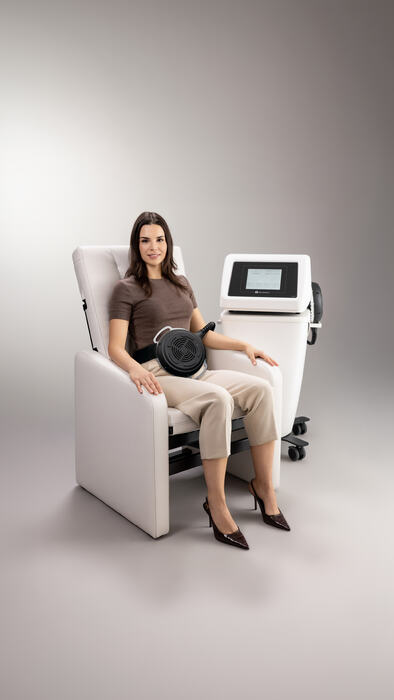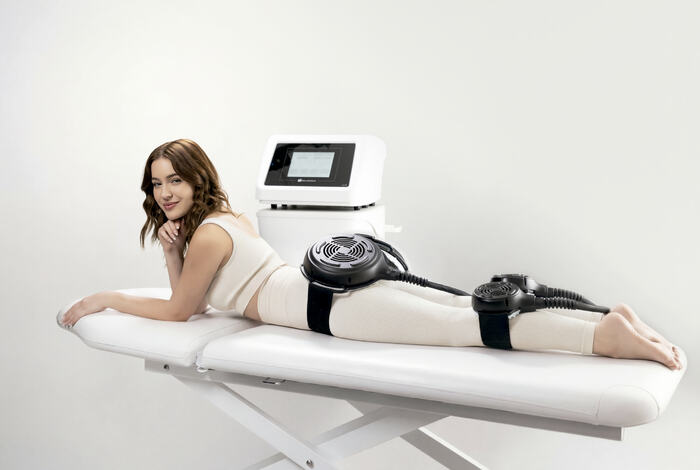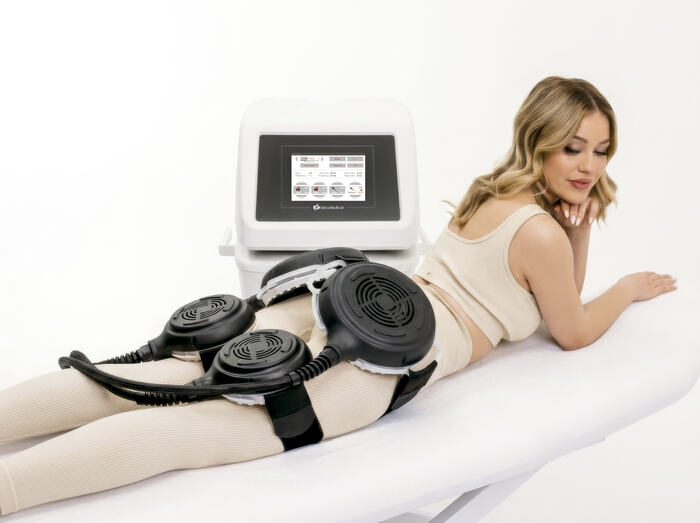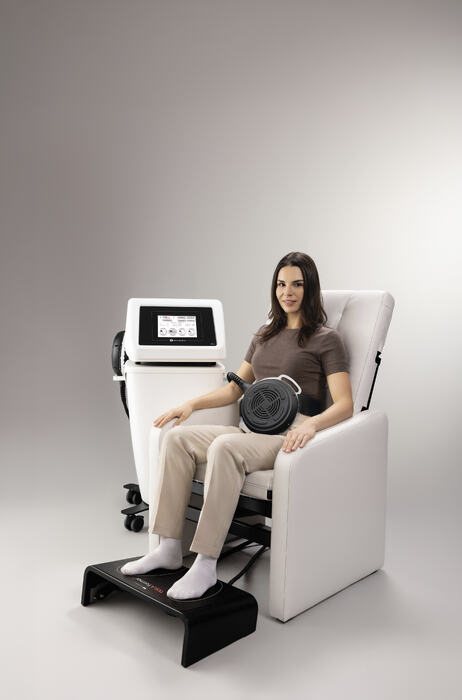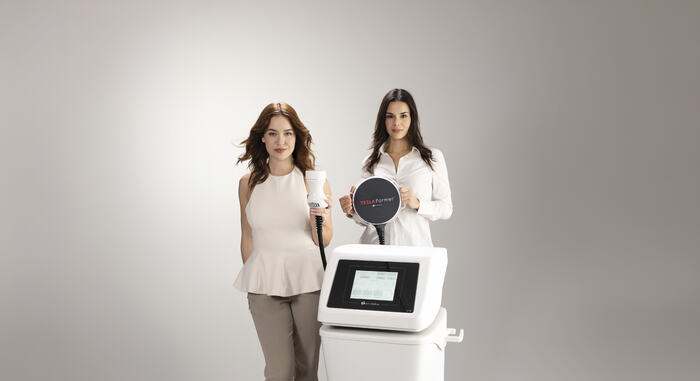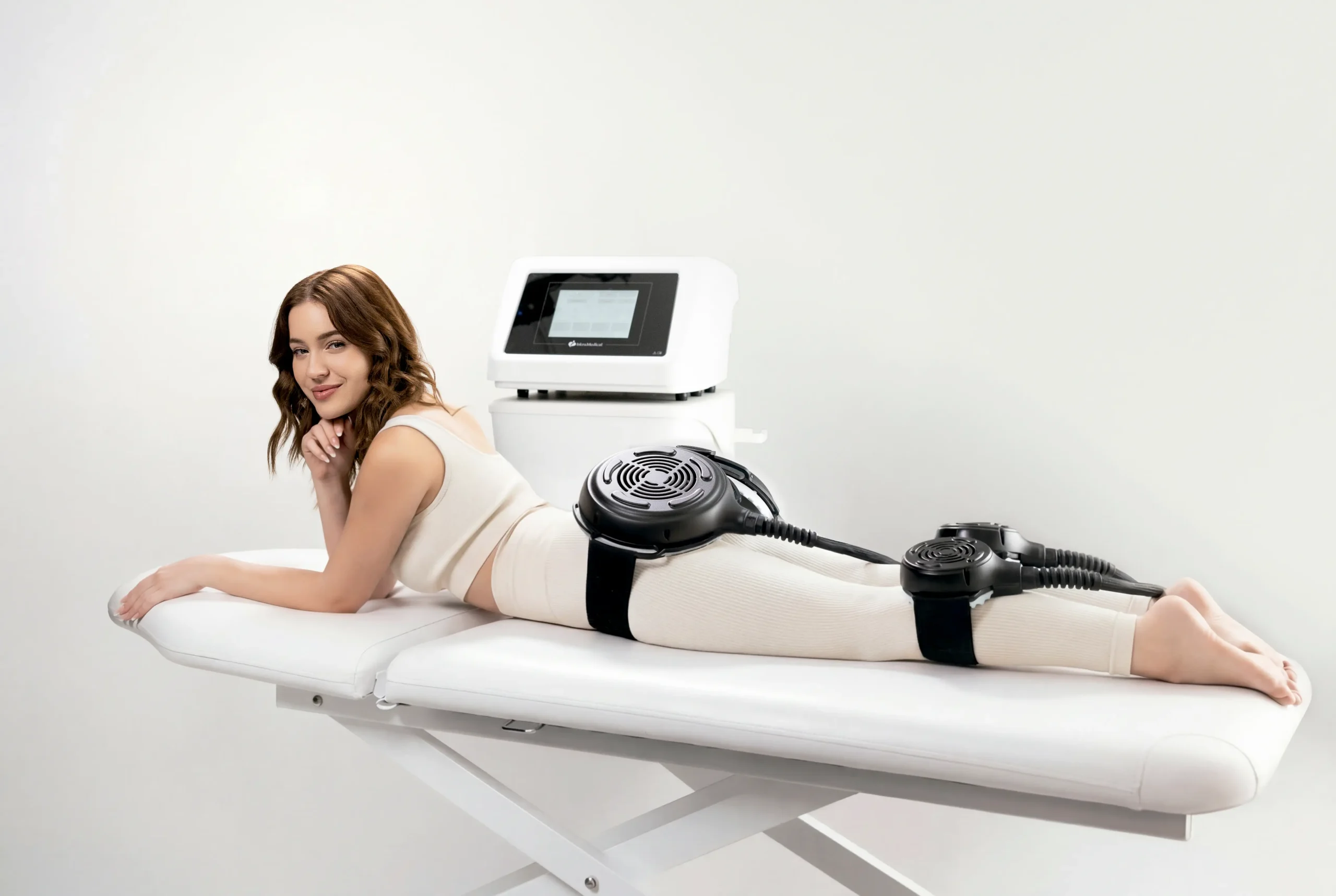
When we think about muscle training, we usually imagine lifting weights, running or performing exercises. But what if muscles could be activated without performing a single voluntary movement?
Thanks to advances in medical and aesthetic technology, muscle contractions can also be induced through functional magnetic stimulation (FMS).
How Does Functional Magnetic Stimulation Work?
Muscles normally contract when they receive electrical signals from the nervous system. During voluntary exercise, the brain sends signals through motor neurons, triggering muscle contractions.
Functional magnetic muscle stimulation uses a different approach. Rapidly changing magnetic fields induce electrical currents in tissues, stimulating motor nerves and triggering involuntary muscle contractions.
These contractions occur without the person actively performing an exercise.
“The future of muscle stimulation is not just about movement, but about understanding how technology can activate the body's natural potential.”
Can It Really Replace Exercise?
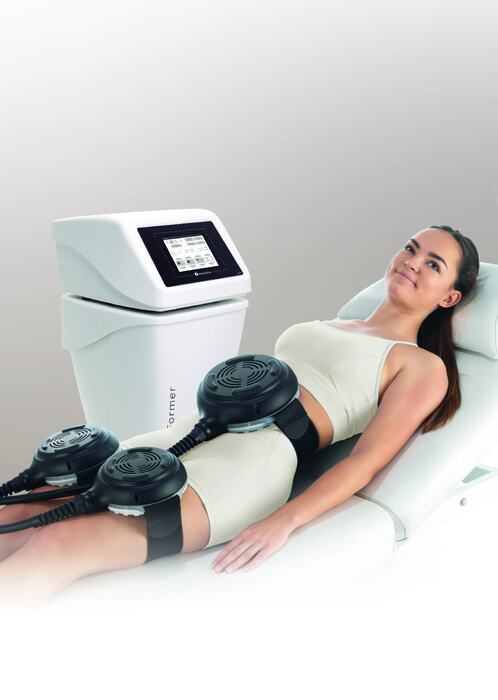
Although FMS can produce repeated muscle contractions, it is important to distinguish between muscle activation and conventional physical exercise.
Traditional exercise involves coordinated movement, cardiovascular activity, balance and multiple physiological adaptations.
FMS, on the other hand, provides targeted neuromuscular activation. Depending on the stimulation parameters and application, it may complement exercise or rehabilitation programs, but it does not replace the broader benefits of physical activity.
Gallery